Where to See Whirling Dervishes in Istanbul: Best Shows and Venues
I still remember the first time the lights dimmed inside an old brick hall near Sirkeci. The room smelled of damp stone and cold wax, and when the reed flute started playing its raspy, mournful opening phrase, the entire room seemed to hold its breath together. If you are figuring out where to see whirling dervishes in istanbul, you have probably already realized that options run the gamut from profound spiritual services to tacky dinner theater acts squeezed between belly dancers and lukewarm chicken kebabs.
Istanbul holds dozens of stages claiming to offer authentic Sufi rituals. Some venues are 500-year-old historic bathhouses where the atmosphere does most of the heavy lifting. Others are bare community halls where locals gather out of devotion rather than ticket sales. Choosing the right spot depends entirely on what you want: theatrical polish with crisp acoustics, historic architecture, or an unscripted religious gathering where you sit on carpeted floors. Here is an honest breakdown of the city's main venues, what they actually cost, and what you will experience once the tall felt caps come on.
Book your whirling dervish istanbul experience:
Best Place to See Whirling Dervishes in Istanbul: Hodjapasha
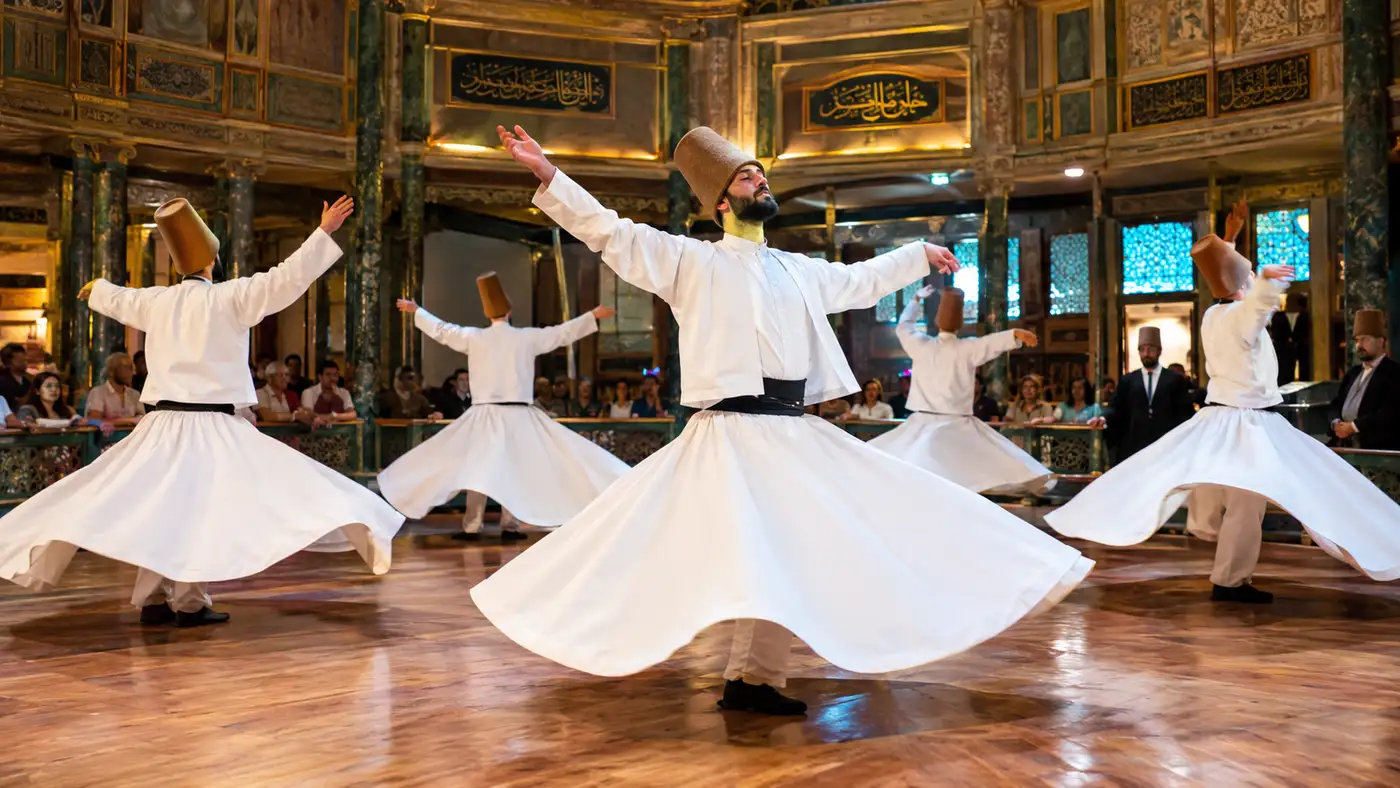
Hodjapasha Cultural Centre sits tucked into a tight alleyway five minutes on foot from Sirkeci station. The building used to be a double Turkish bath built around 1470, known then as the Hoca Paşa Hamam. You sit in steep, semicircular tiers under high brick domes where bathers once sweated out Ottoman winters. Because the space is circular and holds barely 150 seats, there is not a single bad view in the house. You sit close enough to hear the soft whoosh of pleated white skirts slicing through the air as the men spin.
What sets Hodjapasha apart is the musical quality. Many budget shows rely on tinny speaker recordings, but here you get a live classical Mevlevi orchestra. The musicians play the ney (reed flute), the kudüm (small drums), and stringed instruments with extraordinary focus. Before the whirling starts, the troupe performs about 15 minutes of classical Ottoman instrumental compositions. It gives you time to slow down, put your phone away, and match the tempo of the room.
Pro tip: Book seats in row two or three rather than the front row. The front row places your knees right at the edge of the wooden floor, and when the skirts flare outward, you will instinctively pull your feet back to avoid touching the dancers.
Tickets run around $38 to $42 depending on where you book. The performance lasts roughly one hour and runs almost every evening year-round. It is tailored for travelers, yes, but it is executed with real dignity. You can read more about what all the different parts of the ritual signify in our guide to the Mevlevi Sema ceremony meaning and costumes before you go, which makes watching the slow removal of the black cloaks far more meaningful.
Historic Venues: Galata Lodge and the Sirkeci Dervish Show
For purists of architecture, the Galata Mevlevihanesi (Galata Mevlevi Lodge) is legendary. Built in 1491 on the hillside just below Istiklal Street, it is the oldest surviving Sufi lodge in Istanbul. Walking past the carved stone gravestones in its quiet cypress garden feels like slipping sideways into another century. Inside, the wooden semahane (whirling hall) features octagonal viewing galleries painted in soft seafoam green and gold leaf. It is easily the most breathtaking dervish museum Istanbul has to offer.
There is a catch, though. For a long time, Sunday afternoon Sema performances took place here weekly, run by local foundations. Due to shifting ministry rules and recurring historic renovations, live weekly ceremonies inside the historic wooden hall operate erratically. Sometimes tickets are sold at the gate on Sunday mornings; sometimes the hall is open purely as a museum exhibiting manuscripts, turbans, and instruments. If you find live tickets available during your week in town, buy them instantly without hesitating.
Just down the hill at sea level, the old Orient Express terminal hosts the Sirkeci dervish show. The performers whirl inside the historic station waiting hall, beneath soaring stained-glass windows and arched Ottoman doorways. You sit on simple folding chairs arranged around a temporary wooden floor. It lacks the curated lighting of Hodjapasha, and occasionally you might hear an announcement from the commuter platforms nearby, yet there is something wonderfully nostalgic about watching an ancient rite under 19th-century railway chandeliers.
- Galata Lodge atmosphere: ancient wooden floors, deep history, best visited early morning as a museum even if no dance is scheduled.
- Sirkeci station atmosphere: high vaulted ceilings, chilly in winter, nostalgic railway romance, usually priced around $30.
- Audience capacity: Galata caps entry tightly; Sirkeci packs around 180 seats across a flat floor.
- Photography rules: strictly forbidden at both locations while music plays.
Where to Watch Whirling Dervishes in Istanbul for True Authenticity
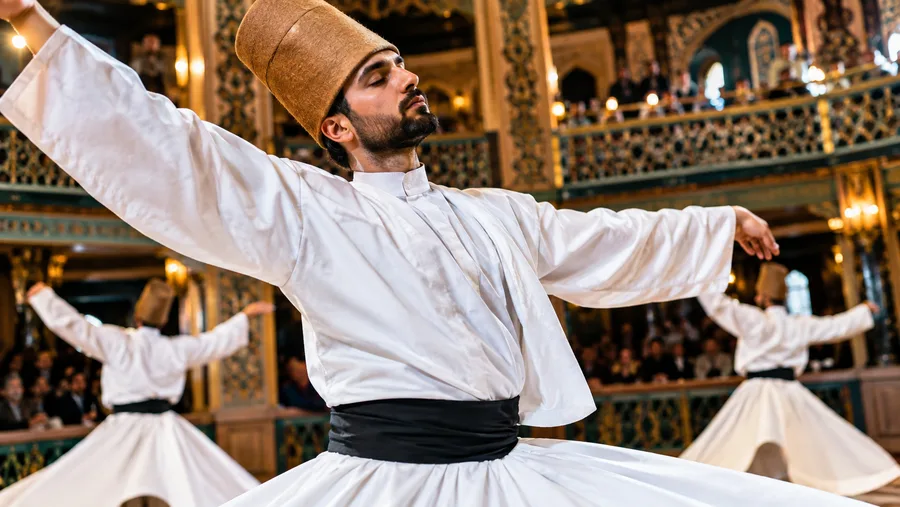
If theatrical productions leave you cold and you want to witness real prayer, you need to leave the tourist districts entirely. Take a 25-minute taxi southwest of the old city walls toward Silivrikapi. Here, the Contemporary Lovers of Mevlana (EMAV) gather at the Silivrikapi Mevlana Cultural Center. This is not a tourist venue. It is an active community gathering where followers of Rumi practice zikr and perform the Sema as an act of personal worship.
The gathering takes place on Thursday evenings, often starting around 7:30 or 8:00 PM and continuing past 10:00 PM. Women and men both participate here, which departs from the strictly male Mevlevi troupes you see in tourist shows. The first hour consists of hymns, communal chanting, and shared prayers. By the time the actual whirling begins, the energy in the room is palpable. Nobody is checking watches, and nobody is performing for applause. In fact, clapping at the end is completely inappropriate because it is a religious service, not a concert.
Note: Dress conservatively if you visit Silivrikapi. Long trousers for men, covered shoulders and long skirts or loose trousers for women, and bring a headscarf just in case, though practices vary depending on the evening.
Admission is technically free, though leaving a generous cash donation of 300 to 500 Turkish Lira in the charity box near the entrance is polite and keeps the lights on. It takes effort to reach Silivrikapi, and you will likely need to use a ride-hailing app to get back to Sultanahmet afterward, but it remains the most moving dervish ceremony in Istanbul for travelers who want reality over showmanship.
Book your whirling dervish istanbul experience:
Istanbul Whirling Dervish Show Options: Comparing Venues and Formats
One common mistake travelers make is booking a generic "Turkish dance show Istanbul" package or a Bosphorus dinner cruise expecting a moving spiritual experience. I will be blunt: watching a lone whirling dervish spin on a linoleum floor while waiters clear away plates of meze and pop music waits in the wings is depressing. Sufi whirling is a form of meditation rooted in 800 years of tradition, not a circus intermission.
If you want entertainment that includes folk dances from the Black Sea region along with belly dancing, book a dedicated folkloric evening. But if you want to understand the dervish dance Istanbul is famous for, book a performance dedicated exclusively to the Sema. To help you weigh your options, here is how the primary venues compare side by side.
| Venue | Neighborhood | Approx. Price | Vibe & Setting |
|---|---|---|---|
| Hodjapasha Cultural Centre | Sirkeci | $40 | Intimate 15th-century bathhouse, live music, polished |
| Sirkeci Train Station | Sirkeci | $30 | Historic railway hall, stained glass, casual seating |
| Silivrikapi Cultural Center | Fatih / Silivrikapi | Donation (~$10-$15) | Authentic Sufi gathering, non-touristy, longer ceremony |
| Kızlarağası Medresesi | Sultanahmet | $25 | Historic courtyard school, smaller crowds, modest setup |
If your budget is tight, check out the smaller cultural foundations near Sultanahmet, like the Kızlarağası Medresesi. It was built in the late 1500s and holds small spiritual gatherings on selected weekday evenings. Seating is tight, maybe 60 people maximum, and the musicians sit barely three feet away from the front row. For detailed ticketing breakdowns and seasonal schedules, take a look at our guide on whirling dervish Istanbul tickets and booking options.
What to Know Before You Book a Dervish Dance in Istanbul
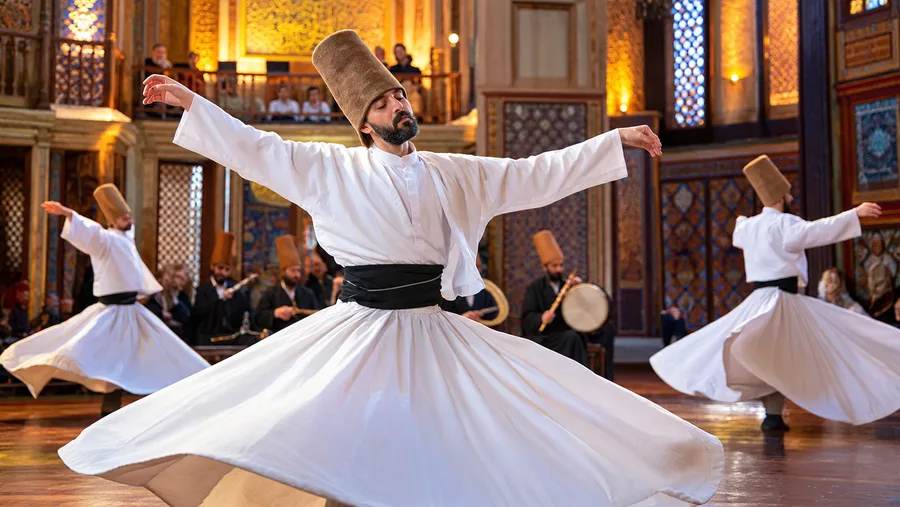
Attending a whirling dervish show istanbul style requires a minor mindset shift. This is not Broadway. There is no rising action, dramatic plot twist, or energetic finale. The dancers move in slow, deliberate cycles called selams, each representing a stage of spiritual awakening and submission to the divine. If you arrive expecting backflips or dazzling stage lighting, you might find yourself getting restless after twenty minutes.
Go into it like you would an ambient classical concert or a cathedral choir recital. The repetition is the entire point. As the dervishes spin with their right hands turned upward to receive grace and their left hands pointing toward the earth to disperse it, the visual rhythm becomes hypnotic. If you let yourself relax into the droning reed flute, the hour passes astonishingly fast.
- Arrival timing: get to your venue at least 25 minutes early, since historic halls like Hodjapasha offer open seating within your ticket tier.
- Children policy: most venues do not admit children under six or seven years old, as absolute quiet is required throughout the 60 minutes.
- Applause etiquette: hold your applause until the musicians have packed up or the room lights come fully back on; breaking the quiet immediately after the final prayer breaks the spell.
- Footwear and comfort: at museum venues or cultural centers, you may need to take your shoes off at the door, so wear clean, comfortable socks.
A final thought on seasons: historic stone buildings in Istanbul get genuinely freezing between December and March. Places like the Sirkeci station hall or older medrese courtyards do not have modern central heating. If you visit in the dead of winter, keep your wool coat on, wear warm boots, and bring a scarf. Shivering through a spiritual ritual somewhat spoils the serenity.
Frequently Asked Questions about where to see whirling dervishes in istanbul
What is the best whirling dervish show in Istanbul for first-time visitors?
Hodjapasha Cultural Centre remains the best all-around choice. It combines a stunning 15th-century hamam setting, excellent acoustics, live traditional musicians, and dependable daily schedules located right in central Sirkeci.
Can women participate in the whirling dervish ceremony in Istanbul?
In traditional Mevlevi brotherhoods and commercial shows, the whirlers are exclusively male. However, at progressive Sufi gatherings like EMAV at Silivrikapi Cultural Center, women whirl alongside men in shared worship.
Is it disrespectful to take photos during a dervish performance?
Yes, and nearly all reputable venues forbid photography and filming during the ceremony. Flash ruins the trance-like state of the dancers, and shutter clicks destroy the quiet. Some venues allow a short photo opportunity at the very end.
How much do whirling dervish tickets cost in Istanbul?
Standard tickets for dedicated shows range between $30 and $45 per adult. Free or donation-based ceremonies exist at local cultural foundations, but they require traveling further outside central tourist zones.
Quick Reference
- Hodjapasha: best overall experience, roughly $40, daily shows.
- Galata Lodge: oldest venue (1491), beautiful museum, sporadic ceremonies.
- Silivrikapi: real Sufi worship, Thursday evenings, donation-based.
- Sirkeci Station: historic atmosphere under stained glass, roughly $30.
- Duration: standard ceremonies run between 50 and 70 minutes.
Book your whirling dervish istanbul experience:
The Bottom Line
Seeing a dervish dance in Istanbul is one of those rare travel experiences that can cut straight through your sightseeing fatigue if you pick the right room. Skip the dinner boat revues and commercial variety shows. Instead, buy a ticket at an old stone hall like Hodjapasha or ride out to Silivrikapi on a Thursday night. Sit down, listen to the low hum of the reed flute, and let the quiet rhythm of the skirts wash over you. It is a glimpse into a world that has kept its balance for eight centuries, right in the noisy center of modern Istanbul.
Read more about whirling dervish istanbul.